

Erectile dysfunction (ED) is a common issue that affects millions of men worldwide. It can have a significant impact on quality of life, relationships, and self-esteem.
However, many men are hesitant to seek help due to embarrassment or a lack of understanding about the condition.
Getting an accurate diagnosis is crucial for effective treatment. Here are five essential tips to help you obtain an accurate erectile dysfunction diagnosis, which may also guide your doctor in recommending suitable options such as Cenforce 200.
| Tip | Details |
|---|---|
| Be Open and Honest | Discuss symptoms, medical history, medications, and lifestyle openly to aid accurate diagnosis. |
| Prepare for Your Appointment | Keep a symptom diary and note lifestyle habits to provide comprehensive information. |
| Understand the Diagnostic Process | Familiarize yourself with potential tests like physical exams, blood tests, and psychological evaluations. |
| Consider a Multidisciplinary Approach | Collaborate with healthcare providers to address both physical and psychological aspects of ED. |
| Follow Up Regularly | Maintain communication with your doctor to monitor progress and adjust treatment as needed. |
Quick Answer: An accurate erectile dysfunction diagnosis requires identifying both physical and psychological contributing factors. Proper evaluation may include medical history review, cardiovascular risk assessment, hormone testing, lifestyle analysis, and discussion of mental health factors. Because Erectile Dysfunction can signal underlying conditions such as hypertension, diabetes, or low testosterone, comprehensive screening is essential. Open communication with a healthcare provider ensures the correct identification of root causes and helps guide a personalized, effective treatment strategy.
1. Be Open and Honest with Your Healthcare Provider
Importance of Communication
- The first step in getting an accurate diagnosis is to communicate openly with your healthcare provider.
- This means discussing not only the symptoms you’re experiencing but also any underlying health issues, medications, and lifestyle factors that may contribute to Performance issues.
What to Discuss
- Duration and Frequency: Explain how long you’ve been experiencing Erectile disorder and how often it occurs.
- Medical History: Share your medical history, including any chronic conditions like diabetes, heart disease, or hypertension.
- Medications: List all medications you are currently taking, as some can have side effects that contribute to erectile dysfunction.
- Psychological Factors: Discuss any emotional or psychological issues, such as stress, anxiety, or depression, that may be affecting your sexual health.
2. Prepare for Your Appointment
Gather Relevant Information
- Before your appointment, take some time to prepare.
- This can help ensure that you provide your doctor with all the necessary information for an accurate diagnosis.
Tips for Preparation
- Symptom Diary: Keep a diary of your symptoms for a few weeks. Note any patterns, triggers, or changes in your sexual function.
- Lifestyle Factors: Document your lifestyle habits, including diet, exercise, alcohol consumption, and smoking.
- Questions: Write down any questions or concerns you have about your condition or treatment options.
3. Understand the Diagnostic Process
Common Diagnostic Methods
Understanding the diagnostic process can help alleviate anxiety and set realistic expectations.
Your healthcare provider may use various methods to diagnose Impotence, including:
- Physical Examination: A thorough physical exam to check for any underlying health issues.
- Blood Tests: Tests to assess hormone levels, blood sugar, and cholesterol.
- Psychological Evaluation: A discussion about mental health to identify any psychological factors contributing to Erectile Dysfunction.
- Specialized Tests: In some cases, your doctor may recommend tests such as an ultrasound or nocturnal penile tumescence testing to evaluate blood flow and nerve function.
4. Consider a Multidisciplinary Approach
Collaborative Care
- Erectile dysfunction can be caused by a combination of physical and psychological factors.
- Therefore, a multidisciplinary approach may provide the most comprehensive care.
Who to Involve
- Urologist: A specialist in male reproductive health who can address physical causes of Impotence.
- Psychologist or Counselor: A mental health professional can help address any psychological factors, such as anxiety or relationship issues.
- Nutritionist: A dietitian can provide guidance on dietary changes that may improve overall health and sexual function.
5. Follow Up and Monitor Your Progress
Importance of Follow-Up
After your initial diagnosis, it’s essential to follow up with your healthcare provider to monitor your progress and make any necessary adjustments to your treatment plan.
What to Expect
- Regular Check-Ins: Schedule regular appointments to discuss your symptoms and any changes in your condition.
- Treatment Adjustments: Be open to adjusting your treatment plan based on your progress and any side effects you may experience.
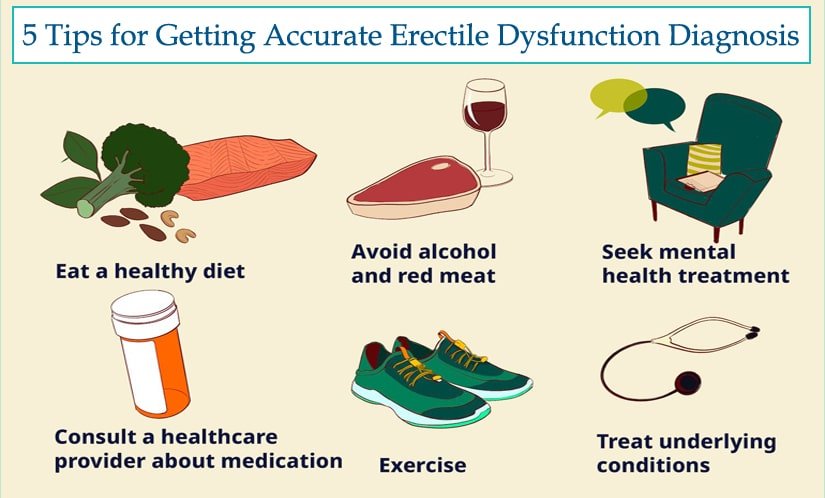
- Lifestyle Modifications: Continue to implement lifestyle changes that can support your sexual health, such as regular exercise, a balanced diet, and stress management techniques.
FAQ
How can I prepare for my appointment regarding Impotence?
Keep a symptom diary, note any lifestyle factors, and prepare a list of questions to discuss with your healthcare provider.
What should I discuss with my doctor about my symptoms?
Be open about the duration, frequency of symptoms, medical history, medications, and any psychological factors affecting your sexual health.
What tests are commonly used to diagnose Impotence?
Common tests include physical examinations, blood tests, psychological evaluations, and specialized tests like ultrasound or nocturnal penile tumescence testing.
Should I involve multiple healthcare professionals in my diagnosis?
Yes, a multidisciplinary approach involving urologists, psychologists, and nutritionists can provide comprehensive care for Erectile Dysfunction.
What lifestyle changes can help improve Erectile Dysfunction?
Adopting a healthy diet, exercising regularly, managing stress, and avoiding smoking and excessive alcohol can improve erectile function.
Conclusion
Obtaining an accurate diagnosis of erectile dysfunction is crucial for effective treatment and improved quality of life. By following these five tips being open with your healthcare provider, preparing for your appointment, understanding the diagnostic process, considering a multidisciplinary approach, and monitoring your progress, you can enhance your chances of receiving an accurate diagnosis and effective treatment.
Remember, seeking help is a sign of strength, and addressing erectile dysfunction can lead to better sexual health and overall well-being.